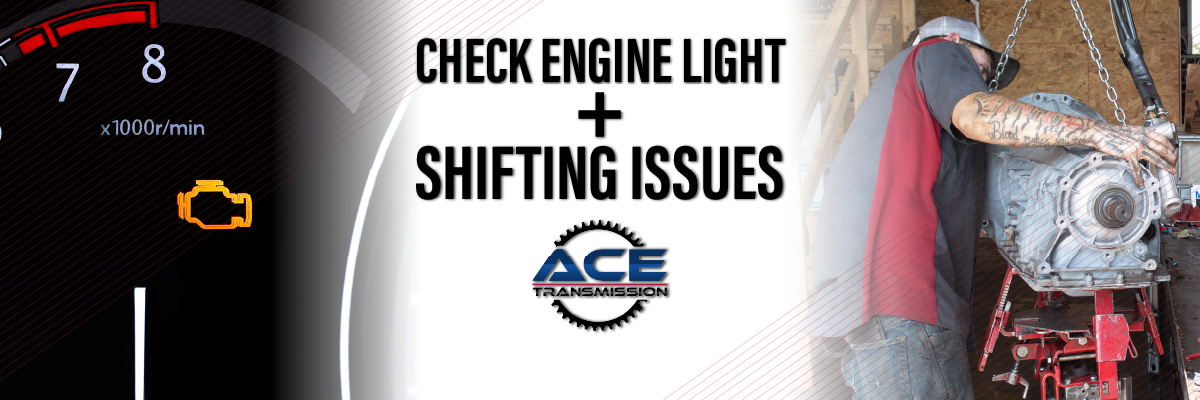
Check Engine Light + Shifting Issues: Why a Real Diagnostic Test Matters
If your check engine light is on and your car is shifting differently — slipping, jerking, delayed engagement — it’s easy to assume “the transmission is going out.”
Sometimes it is. Sometimes it isn’t. The key is getting a real diagnostic, not a guess based on a warning light.
What it feels like
Common combos we hear from drivers:
- Check engine light + delayed shifting
- Check engine light + “hard” shifts (a thunk)
- Check engine light + slipping at higher speeds
- Check engine light + won’t go into a certain gear
- Check engine light + strange noises or vibration
These are also listed on our common transmission warning signs page.
Why the warning light doesn’t tell the whole story
A check engine light basically means: “something is out of range.” It does not automatically mean you need a new transmission.
Here are a few things that can trigger shifting issues:
- A sensor giving bad data
- Electrical problems (connections, voltage issues)
- Engine performance problems that feel like transmission issues
- A transmission control issue (solenoids, pressure control)
- A real mechanical wear issue inside the transmission
That’s why we recommend proper engine diagnostics in Springfield instead of guessing based on symptoms alone.
What a real diagnostic does (and what it saves you from)
A real diagnostic helps you avoid:
- Replacing parts that aren’t the problem
- Driving too long and turning a small issue into a big one
- Paying twice (once for a guess, again for the actual fix)
It also gives you clarity:
- What’s failing
- What’s urgent vs what can wait
- What your repair options are (and why)
When to stop driving
If the check engine light is flashing, or the car is slipping badly / banging into gear / won’t engage reliably, don’t push it.
Best next step: Schedule an appointment. We’ll help you figure out what’s safe.
What we’ll check (so you’re not guessing)
Typical diagnostic steps include:
- Code scan + live data review (so we can confirm the “why”)
- Road test to reproduce the exact symptom
- Fluid inspection (level + condition)
- Electrical checks where needed
- Clear explanation of findings + next steps
If it does point to transmission work, you can also Get a transmission price quote.
FAQ
Can a bad engine component cause shifting problems?
Yes — engine misfires, sensor issues, and fuel/air problems can create shifting complaints.
Do I need a transmission replacement if it shifts hard?
Not automatically. Hard shifts can be caused by sensors, control issues, or fluid problems. Testing tells the truth.
How soon should I get it checked?
Sooner is almost always cheaper. Small issues are easier to fix before they create extra wear.